Common Product Design Mistakes That Kill Products Before Launch
Most products don't fail after launch - they fail because of product design mistakes made long before anyone sees them. Skipping user research, rushing prototypes, ignoring manufacturing costs, and misreading the market are the real killers. Fix these early, and your product has a real shot. Miss them, and you're spending money to launch something nobody wants.
The Idea Feels Perfect. That's the First Problem.
I've seen this happen more times than I'd like to admit. A founder has a great idea. They're excited. They skip straight to building - and six months later, they're sitting on a product that real users just don't want.
Skipping user research isn't just a mistake. It's expensive.
Before you spend a single dollar on product design and development, you need to talk to actual people. Not your friends. Not your family. Strangers who would theoretically buy the thing. Ask them what they struggle with. Watch how they solve problems today. You'll be surprised - and sometimes crushed - by what you learn.
According to CB Insights, 35% of startups fail because there's no market need. No market need usually means no one checked if there was one.
Building the Wrong Prototype at the Wrong Time
Prototyping too early sounds like a good thing. It's not always.
If you're still figuring out what the product is supposed to do, spending weeks on a highly detailed physical model is a waste. A rough sketch, a foam mockup, or even a printed image can test the core idea at almost zero cost. Save the detailed work for when you've confirmed what you're actually building.
On the flip side - and this one catches a lot of people - some teams prototype way too late. They design the whole thing in software, pass it around internally, and assume that's enough validation. It isn't.
Custom design solutions exist precisely because off-the-shelf thinking doesn't always fit real-world needs. The prototype is how you find out what "real-world" actually means for your product.
Designing Something That Can't Be Built Affordably
Here's something a lot of designers don't think about until it's too late: a product can look perfect in CAD and still be a manufacturing nightmare.
Tight tolerances that require rare machinery. Materials that cost three times more at scale than they did for the prototype. Assembly steps that take too long. These aren't minor problems - they kill margins before the product even ships.
Invention services that include design-for-manufacturing reviews catch these issues early. That review isn't optional. It's the difference between a product that makes money and one that bleeds it.
The golden rule of product design: if it's hard to build, it'll be expensive to build. And expensive to build usually means too pricey to sell.

Ignoring How Air, Fluid, and Heat Actually Move
This one sounds technical, but stick with me.
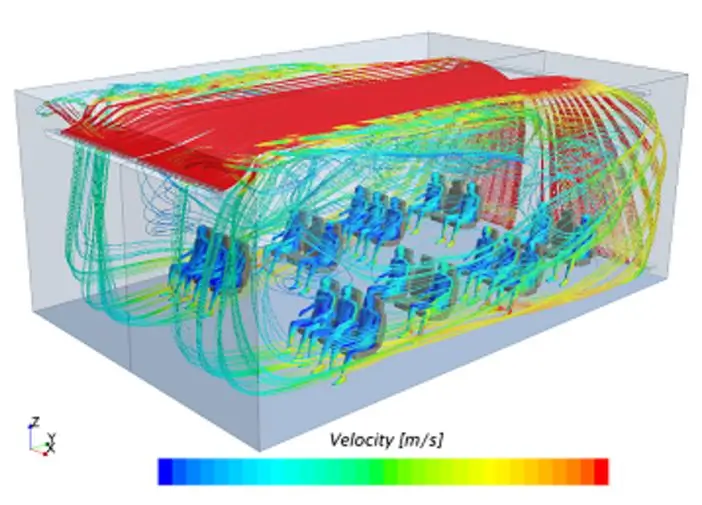
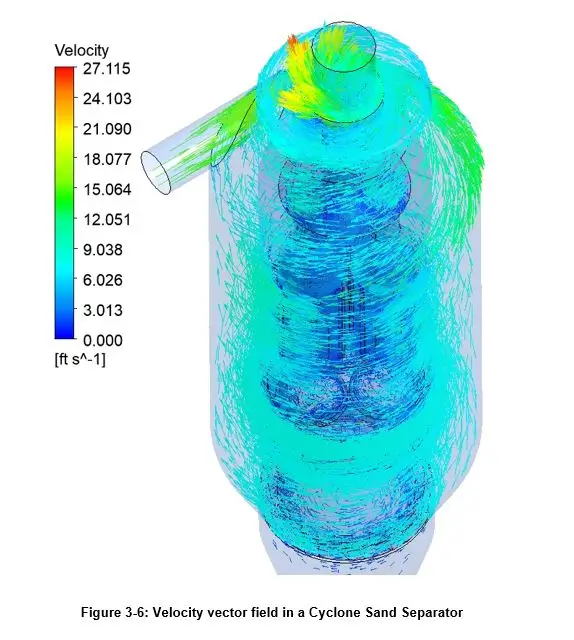
A lot of physical products - fans, enclosures, medical devices, automotive parts, industrial tools - have airflow, heat, or fluid moving through them. If you design those parts without understanding how those forces actually behave, you'll build something that overheats, underperforms, or breaks in the field.
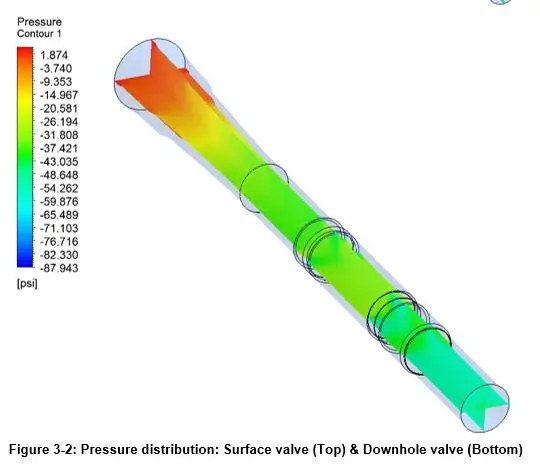
CFD simulation services (computational fluid dynamics, if you want the full name) let engineers test how air and fluid move through a design before anything gets manufactured. It's not just for aerospace. I've watched it catch flaws in cooling systems, exhaust setups, and even simple housings that would've gone completely unnoticed until post-launch failures started rolling in.
CFD consulting early in the process costs a fraction of what a product recall costs later.
Not Testing the Structure Under Real Stress
Products break. The question is whether they break during testing - where you can fix it - or in a customer's hands, where you can't.
Structural testing using FEA services (finite element analysis) shows exactly where a design will crack, bend, or fail when pressure is applied. Think of it like a digital crash test. You put the virtual product under load, and you can see which spots are vulnerable before the first real unit is ever made.
Skipping this step is one of the most common product design mistakes in industries like oil and gas, medical devices, and automotive - exactly where failure has real consequences.
A bad weld location. A wall that's too thin. A thread that won't hold torque. FEA finds all of it. Without it, you're guessing.
Listening to the Wrong Feedback
Not all feedback is useful. Some of it is actively harmful.
Friends and family will almost always say your product is great. Early fans will inflate your confidence. The feedback that counts comes from people who have no reason to be nice - people who would actually pay money for the solution your product provides.
Run structured tests. Ask specific questions. Watch people use the product, don't just ask if they liked it. According to Nielsen Norman Group, testing with just five users uncovers about 85% of usability problems. You don't need a massive budget. You need the right five people.
And when you get feedback that contradicts your assumptions? Take it seriously. That's the most valuable feedback you'll ever receive.
Rushing the Launch to Beat a Deadline
Speed matters in product development. But there's a line between moving fast and moving recklessly.
Launching a product before it's ready doesn't save time - it creates a second launch. The fix-it launch. The "we've addressed the original issues" version that arrives six months later with significantly less buzz, fewer reviews, and a customer base that already feels burned.
Bad first impressions in product categories are hard to undo. Amazon reviews don't disappear. App store ratings don't reset.
The better move: run a proper product design and development process from the start - with research, simulation, structural testing, and real user feedback baked in - and launch once, the right way.
Fix the Design Process, Not Just the Design
The products that make it to market and actually sell aren't always the most creative ones. They're the ones that went through a real process. One where someone asked hard questions early, ran the right simulations, tested under real-world conditions, and listened to feedback that wasn't comfortable to hear.
Most product design mistakes aren't mysterious. They're predictable. And if they're predictable, they're preventable.
Start there.
Frequently Asked Questions
What are the most common product design mistakes?
The most common product design mistakes include skipping user research, rushing prototype development, ignoring manufacturing costs, failing to test structural integrity with FEA, and not running fluid or thermal simulations with CFD tools.
Why do products fail before launch?
How does FEA help in product design?
What is CFD and why does it matter for product design?
How early should user research happen in product design?
References
CB Insights - The Top Reasons Startups Fail: https://www.cbinsights.com/research/startup-failure-reasons-top/
Nielsen Norman Group - Why You Only Need to Test with 5 Users: https://www.nngroup.com/articles/why-you-only-need-to-test-with-5-users/
Blogs