Outsourced Product Development: What Inventors Actually Need to Know
Quick Answer: Outsourced product development means hiring an external engineering or design firm to handle some or all of the technical work required to bring a product to market - from 3D modeling and prototyping to simulation and manufacturing prep. For inventors without an in-house engineering team, it's often the fastest and most cost-effective path from concept to a production-ready design.
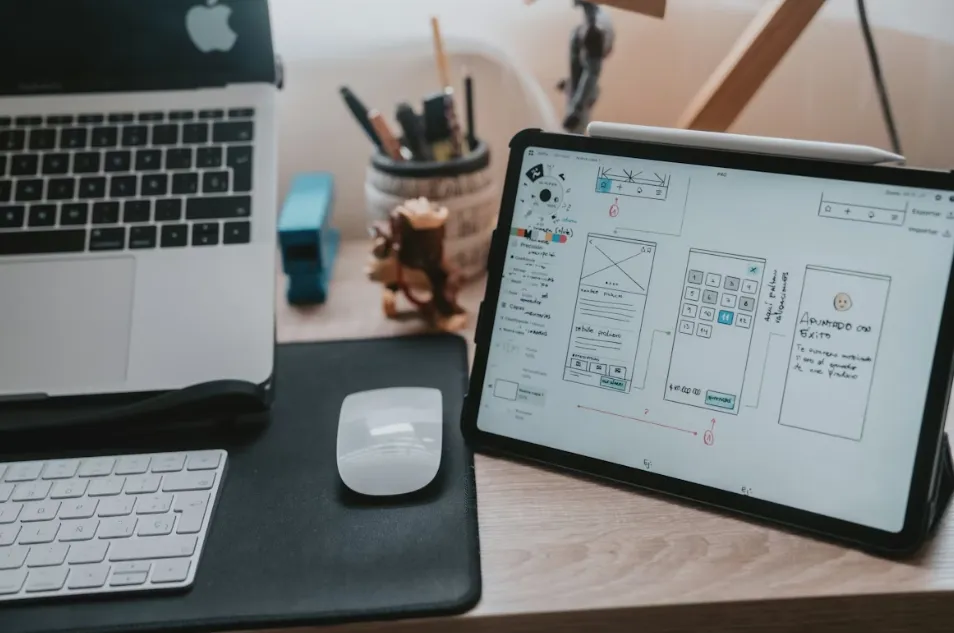
You've got the idea. You know it solves a real problem. But the gap between a concept and a manufacturable product is where most inventors stall - not because the idea isn't good, but because engineering a physical product requires a completely different skill set than inventing one.
That's the situation outsourced product development was built for. Hand the technical execution to specialists, keep ownership of your concept, and get to market faster than you could alone.
What most guides skip is the honest part: what outsourcing actually works well, where it breaks down, and how to avoid the traps that cost inventors time and money. That's what this covers.
What Outsourcing Product Development Actually Covers
Product design and development outsourcing isn't a single service - it's a spectrum. Depending on where you are in the product lifecycle, you might outsource one phase or the entire pipeline.
Common phases firms handle include:
Concept refinement and industrial design
3D CAD modeling (typically in SolidWorks or CATIA)
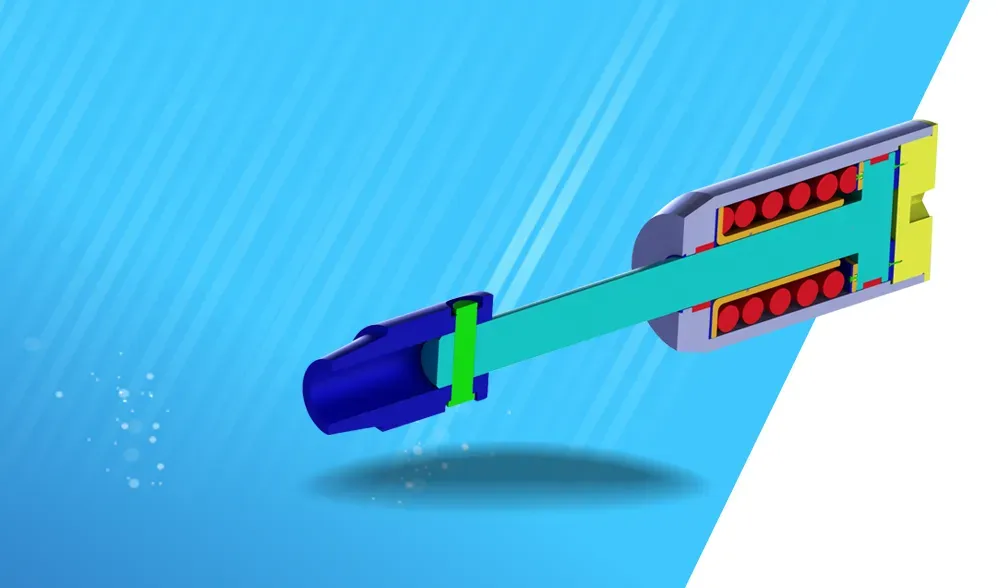
Finite element analysis (FEA) to stress-test designs before fabrication
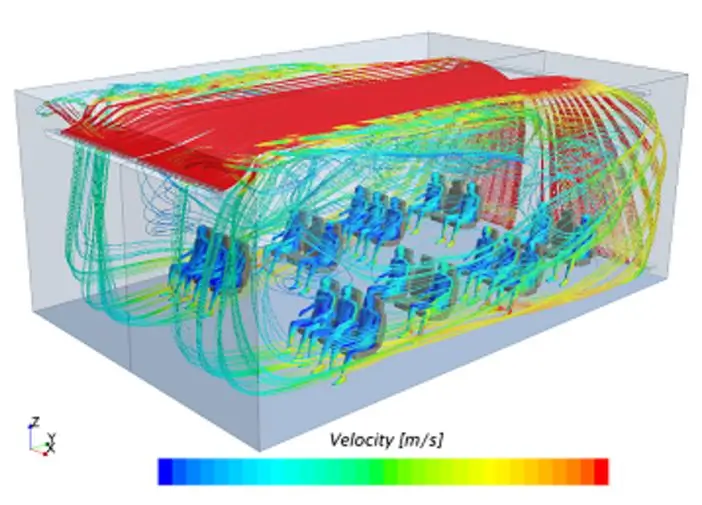
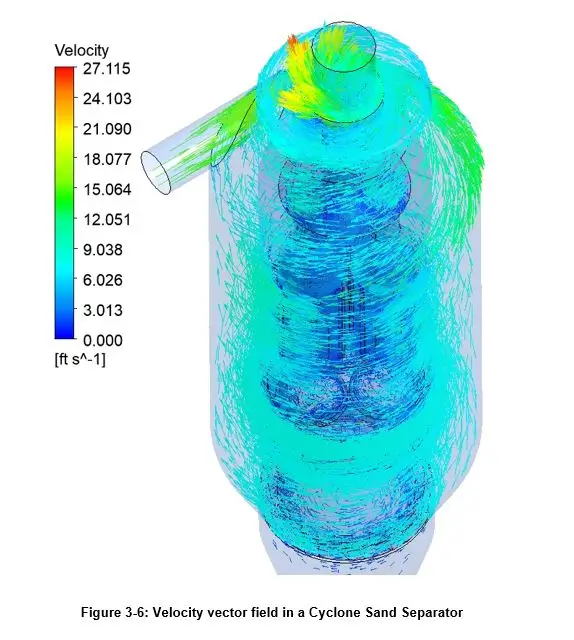
Computational fluid dynamics (CFD) for products where fluid flow, heat, or air resistance matters
Prototype fabrication - from 3D-printed mockups to scaled working models
Manufacturing documentation for production handoff
For inventors, the most valuable outsourced work tends to fall in the early stages: CAD modeling that turns a sketch into a real design, and simulation work that catches engineering problems before you spend money on physical prototypes.
Imaginationeering's product design and development services cover this full range - from initial concept work through prototyping and advanced simulation.
Where Outsourcing New Product Development Makes Sense - and Where It Doesn't
Here's what most guides get wrong about this: outsourcing works best when the scope is well-defined and the inventor can articulate what they need. It breaks down when used as a substitute for thinking through the concept first.
Outsourcing works well when:
You have a clear idea but lack CAD or engineering expertise
You need simulation results (FEA or CFD) to validate a design before investing in tooling
Your product touches regulated industries - medical, aerospace, oil and gas - where engineering documentation and tolerances are non-negotiable
You're building a proof-of-concept for investors or licensing conversations
It tends to create friction when:
The concept is still too vague for engineers to model
The inventor expects the firm to invent as well as engineer (those are different jobs)
There's no clear feedback loop between the inventor and the engineering team
The inventors who get the most out of outsourcing come in with a sketch, a clear description of what the product does, and a willingness to iterate on the design once they see the 3D model.

How to Evaluate an Outsourced Product Development Partner
Not every design firm is equipped for every type of product. The right partner depends on what your product requires technically.
Portfolio Depth
Ask to see work that's relevant to your product's complexity. A firm that's designed consumer goods may not have the simulation capabilities needed for a mechanical device with moving parts under load. Look for evidence of FEA or CFD work if your product operates under stress, heat, or fluid dynamics conditions.
Engineering Capabilities vs. Design-Only Services
There's a real difference between a product design firm and a product engineering firm. Design firms focus on form, aesthetics, and usability. Engineering firms - and firms that do both - can analyze structural performance, run simulations, and produce documentation a manufacturer can actually use. For inventors building physical, functional products, engineering capability is what actually moves the needle.
Communication and IP Clarity
Before work begins, confirm two things: who owns the design files, and how revisions are handled. Reputable firms will assign IP to the client upon payment and will work through revision cycles rather than treating the first model as final.
Imaginationeering's invention services are structured specifically for independent inventors and small companies - with IP ownership assigned to the client and a design process built for iterative feedback.
The Role of Simulation in Outsourced Product Development
This distinction matters more than it first appears. Many inventors assume that a 3D model is the end goal of outsourced development. In reality, for any product where performance, safety, or durability matters, simulation is where the real engineering value is.
FEA (finite element analysis) takes a completed 3D model and runs it through stress scenarios - showing exactly where a part will fail under load, where material can be removed to reduce weight without compromising strength, and whether the design meets the safety standards required for its application.
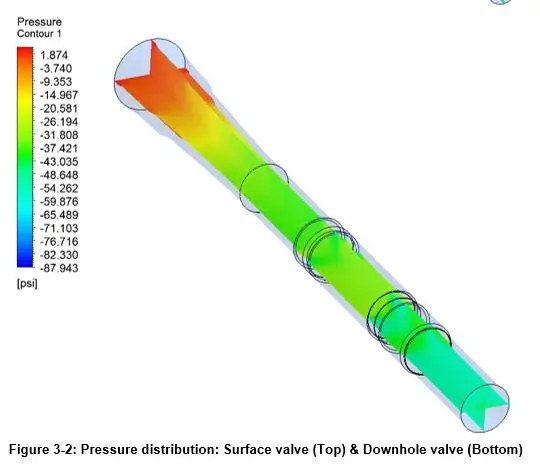
CFD (computational fluid dynamics) does the same for products involving airflow, fluid movement, or heat transfer. An HVAC component, a filtration device, a medical instrument - all of these benefit from CFD analysis before prototyping, because fixing flow problems in simulation costs a fraction of what fixing them in physical prototypes does.
Imaginationeering runs both FEA services and CFD consulting as part of the product development process - meaning simulation isn't a separate engagement, it's built into how products get refined.
What to Prepare Before Reaching Out to a Firm
You don't need a perfect spec sheet. But the more context you can give an engineering firm upfront, the more accurate their scoping and pricing will be.
Bring, at minimum:
A sketch or rough concept drawing (even hand-drawn works)
A description of what the product does and in what environment it operates
Any dimensional constraints or material preferences
A sense of whether you're aiming for a proof-of-concept prototype or a production-ready design
If you have existing patents or patent applications, share them. They give the engineering team clarity on what's already protected and what design space they're working within.
The Bottom Line
Outsourced product development gives inventors access to engineering expertise they'd otherwise spend years and significant capital building internally. Done right, it compresses the timeline from idea to manufacturable product - and removes the guesswork about whether a design will actually hold up under real-world conditions.
The firms worth working with bring more than CAD skills. They bring simulation capabilities, material knowledge, and the kind of iterative design process that catches problems on screen rather than in a production run.
If your product is past the idea stage and you're ready to turn it into something a manufacturer can build, outsourcing new product development to an engineering firm is the logical next step.
Ready to Move Your Concept Forward?
Imaginationeering works with independent inventors and companies across the US to take products from concept sketch to production-ready design. Whether you need 3D modeling, prototype development, or advanced simulation, the process starts with a straightforward consultation.
Contact the team at Imaginationeering to discuss your project.
Frequently Asked Questions
What is outsourced product development?
Outsourced product development is the practice of hiring an external engineering or design firm to handle the technical work of turning a product concept into a manufacturable design. This can include 3D CAD modeling, prototyping, FEA, CFD simulation, and manufacturing documentation - or any combination of those phases.
How much does outsourcing new product development cost?
Who owns the design files after working with a product development firm?
Do I need to have a patent before outsourcing product development?
What's the difference between product design outsourcing and product engineering outsourcing?
Blogs